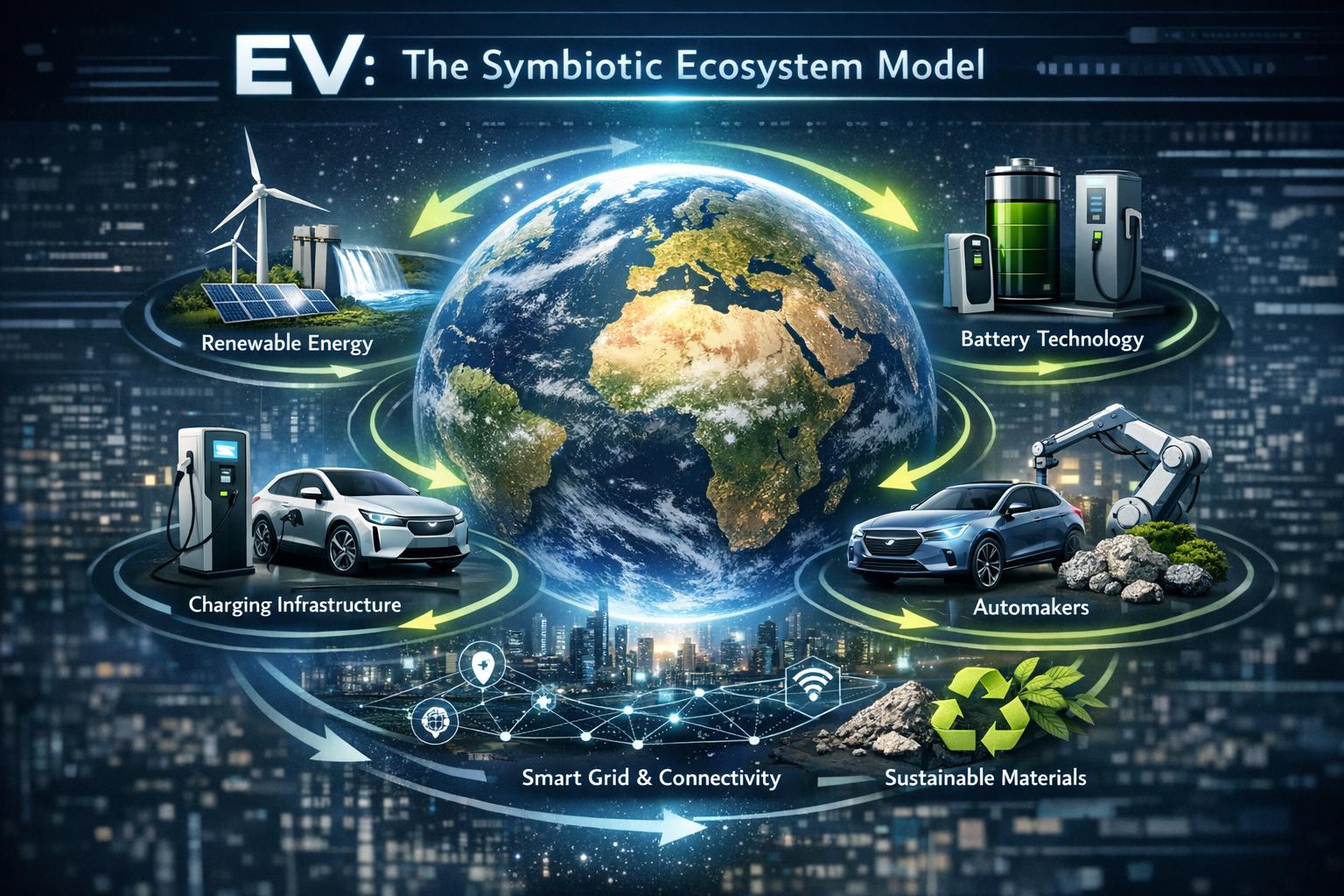
The global transition to electric vehicles (EVs) is undeniable. Yet, in emerging markets like Nigeria, the path to adoption is strewn with unique roadblocks: inconsistent power infrastructure, high upfront costs, consumer range anxiety, and a lack of technical expertise. Traditional, fragmented approaches—where car sales, charging, maintenance, and driver training are handled by separate, uncoordinated entities—often falter under these combined pressures. The solution emerging as the most viable is not a single product, but a vertically integrated ecosystem. This model, where one company controls and coordinates multiple stages of the EV value chain, is proving to be the essential catalyst for sustainable adoption.
The Challenge of Fragmentation
In a mature market, an EV buyer can rely on a robust, pre-existing ecosystem: reliable public charging networks, widespread dealership service centers, and a deep pool of knowledgeable mechanics. In an emerging market, each of these pillars is weak or absent. A consumer considering an EV faces a daunting series of independent problems: "Where will I charge it?" "Who will fix it?" "Is the power grid reliable?" This fragmentation creates overwhelming inertia, stifling market growth before it can begin.
The Vertical Integration Blueprint: One Cohesive Solution
A vertically integrated model dismantles these barriers by offering a seamless, self-reinforcing suite of services. Imagine a single provider that addresses the key pain points in one integrated offering:
- EV Ride-Hailing Fleet: This is the market-proofing engine. A company-operated fleet of EVs (like ETS Ride-Hailing) serves as a living laboratory. It demonstrates daily reliability, builds public familiarity, and generates the critical data and revenue needed to fund infrastructure expansion. It turns abstract EV concepts into tangible consumer experiences.
- Driver & Technician Academy: The human capital foundation. A dedicated academy (like the ETS Driving School) solves two crises simultaneously. It trains professional drivers in EV-specific operation and customer service, creating a skilled workforce for the fleet. Crucially, it also trains a new generation of EV-certified technicians, building the local expertise for maintenance and repair, and addressing a major long-term concern for owners.
- EV Sales & Financing: The ownership gateway. With a proven vehicle track record from the fleet and trained technicians for support, the company can offer EVs to the public with unparalleled confidence. They can bundle vehicles with attractive financing, charging packages, and guaranteed service, dramatically reducing the perceived risk and complexity of purchase.
- Charging Infrastructure Network: The physical backbone. The integrated provider deploys charging stations (like ETS Charging Stations) strategically, first supporting its own fleet's operations and then opening access to the public. This ensures that infrastructure growth is demand-driven and economically sustainable from day one, rather than a speculative bet.
The Symbiosis: How the Parts Create a Greater Whole
The magic is in the synergy. Each vertical doesn't just operate in parallel; it actively strengthens the others in a virtuous cycle:
- The Ride-Hailing fleet creates immediate, scalable demand for the Charging Stations, making their deployment economically viable.
- The Academy supplies qualified drivers for the fleet and skilled technicians to service both the fleet and sold vehicles, ensuring quality and safety.
- Data from the fleet and charging network informs the best models to offer in Sales and the optimal locations for new chargers.
- A growing network of private EV owners from Sales further amplifies demand for public charging, fueling more infrastructure growth.
This ecosystem de-risks the EV proposition for every stakeholder: for the consumer, it offers a supported ownership journey; for the driver, a profitable profession; for the grid planner, actionable data; and for the investor, a resilient and scalable business model.
The ETS Vision: A Case Study in Action
At Executive Taxi Services (ETS), we are building this blueprint in real-time across Nigeria. We are not merely a taxi service or a car dealership. We are a mobility ecosystem. Our EV ride-hailing fleet seeds the market. Our LASDRI-accredited Academy, with its EV specialist program, builds the essential human capital. Our EV sales platform offers vehicles backed by our own proven operational experience. And our expanding network of universal charging stations provides the necessary infrastructure.
We believe this vertically integrated approach is not just beneficial, but imperative for emerging markets. It allows for localized solutions, controls quality end-to-end, and builds the market organically from the ground up.
The future of sustainable mobility in markets like Nigeria will not be built by importing isolated products, but by cultivating interconnected, home-grown ecosystems. It is through this symbiotic model that we can truly electrify transport, drive economic growth, and create a cleaner urban future for all.

No comments yet. Be the first to share your thoughts!